 Dewi Lestari
 To extend your Bali visa in 2027, utilise the hybrid online and offline system, which involves a digital pre-application followed by an in-person biometric submission. This process ensures compliance with the updated immigration requirements.
Understanding the Hybrid System for 2027
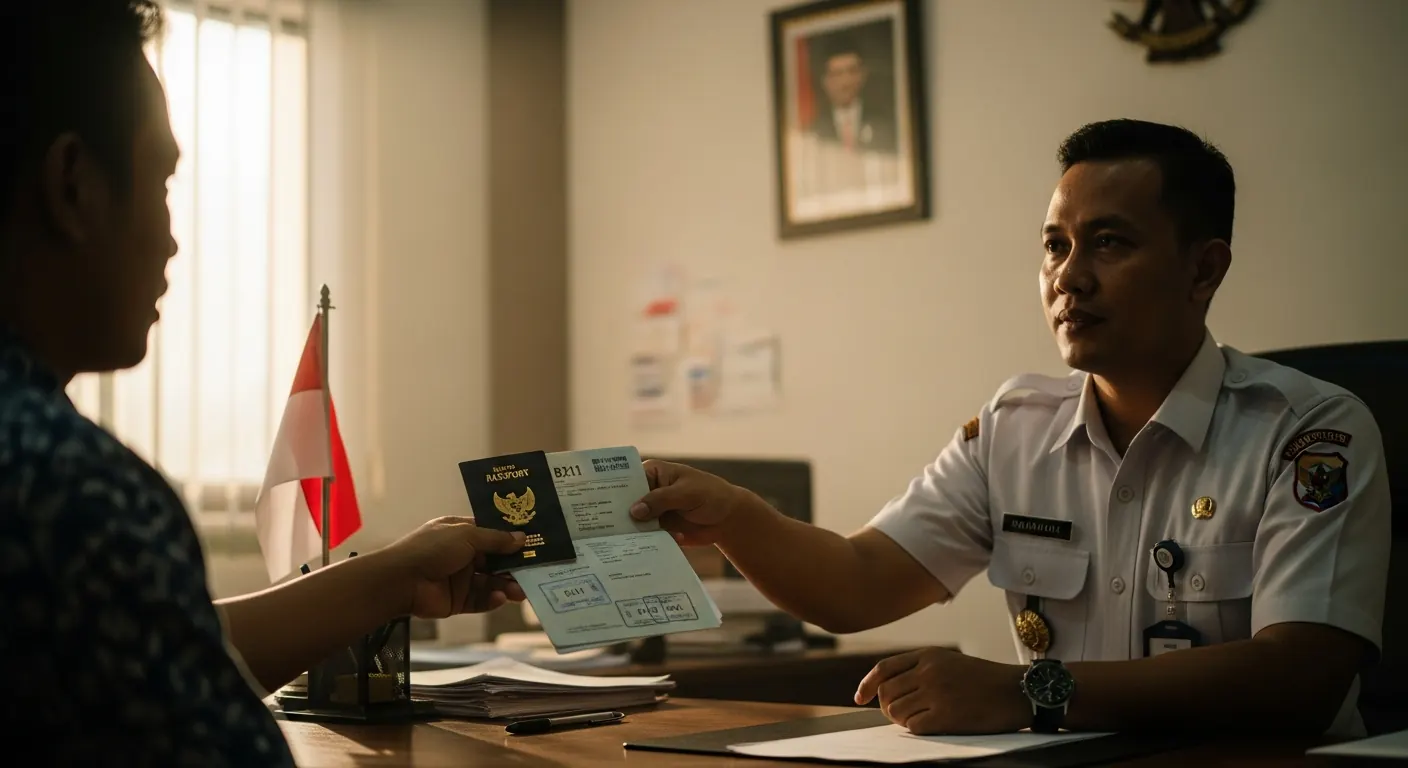
The process of extending a Bali visa in 2027 requires applicants to engage in both digital and physical steps. After the elimination of online-only extensions in mid-2025, the introduction of mandatory biometrics has significantly altered the landscape of visa extensions. The new procedure mandates an in-person visit for biometric data submission, which is a critical step to complete the extension. Applicants must first fill out the online pre-application form available on the official immigration website. This form requires detailed information, including personal identification details, current visa status, and intended length of stay. Upon submission, applicants receive a confirmation email with instructions for the next steps, including how to book a biometric appointment.
Biometric Appointment Booking and Its Necessity
Booking a biometric appointment is a crucial part of the Bali visa extension process in 2027. This requirement, implemented in June 2025, necessitates that all applicants provide fingerprints and other biometric data in person at an immigration office. To book an appointment, applicants must access the official immigration online portal, where they can choose from a list of available dates and times. It is recommended to book at least two weeks in advance to secure a convenient slot, especially during peak tourist seasons such as July, August, and December. The necessity of this step lies in verifying the applicant’s identity and ensuring the integrity of the immigration system. Missing this appointment can lead to delays in the extension process, so it is advised to plan accordingly.
Costs and Agent Services
In 2027, the costs associated with extending a Bali visa can vary significantly based on choose to handle the process independently or engage an agent. The typical government fee for a visa extension ranges from IDR 500,000 to IDR 1,000,000, depending on the type of visa. Engaging an agent can add an additional fee of IDR 1,000,000 to IDR 1,500,000, but can offer convenience and expertise, particularly for those unfamiliar with the process. Agents often provide services such as document preparation, appointment scheduling, and guidance throughout the process. It is advisable to compare the costs of using an agent versus self-handling to make an informed decision. Be sure to verify the legitimacy of the agent to avoid potential scams.
Time Management: Key Dates and Rules
Extensions should be initiated no later than 7 days before the original visa expires, as per the current rules. This timing ensures that your application is processed within the required 3 to 5 days, helping avoid overstaying penalties. Additionally, while the Visa on Arrival allows for a maximum stay of 60 days, it is crucial to adhere to this limit to prevent fines. Overstaying can result in a fine of IDR 1,000,000 per day, and in severe cases, can lead to deportation or a ban on future entry into Indonesia. It is important to keep track of your visa expiry date and start the extension process early to avoid such penalties. The immigration offices are typically closed on weekends and Indonesian public holidays, so plan your visits accordingly.
2027 Note
By 2027, the immigration procedures have integrated a digital-first approach, requiring online pre-applications before the biometric appointment. This streamlined process aids in reducing wait times at immigration offices and ensures compliance with the updated regulations. The digital pre-application allows for the submission of necessary documents, such as a scanned copy of your passport and current visa, prior to the biometric appointment. This step not only expedites the process but also minimises the risk of incomplete applications, which could delay approval. Ensure that all digital documents are clear and legible to avoid any issues during processing.
FAQ
What technological advancements are impacting Bali visa extensions by 2027?
Technological advancements impacting Bali visa extensions by 2027 include the implementation of a hybrid online and offline system, mandating digital pre-applications and biometric data submission. The introduction of an automated appointment booking system and electronic notifications for application status updates further enhance the efficiency of the process. Additionally, the use of biometric verification technology has strengthened security measures, ensuring that only eligible individuals receive visa extensions.
How to extend Bali visa if I lost my payment receipt in 2027?
If you have lost your payment receipt in 2027, contact the immigration office with your application details to retrieve proof of payment and continue your extension process. Ensure you have your passport number, application reference number, and any other identification details ready when contacting the office. It is advisable to keep digital copies of all important documents and receipts to avoid such issues. In some cases, agents may also assist in retrieving lost documentation, provided they handled the initial application.
How to extend Bali visa without original passport in 2027?
Extending a Bali visa without an original passport involves obtaining a certified copy from your embassy or consulate, which can then be submitted during the biometric appointment. Contact your respective embassy or consulate to request a certified copy, which may require you to provide identification and pay a processing fee. Once obtained, ensure that the certified copy is stamped and signed by the issuing authority to be accepted by the immigration office. This solution is particularly useful for those whose passports are lost, stolen, or undergoing renewal processes.